


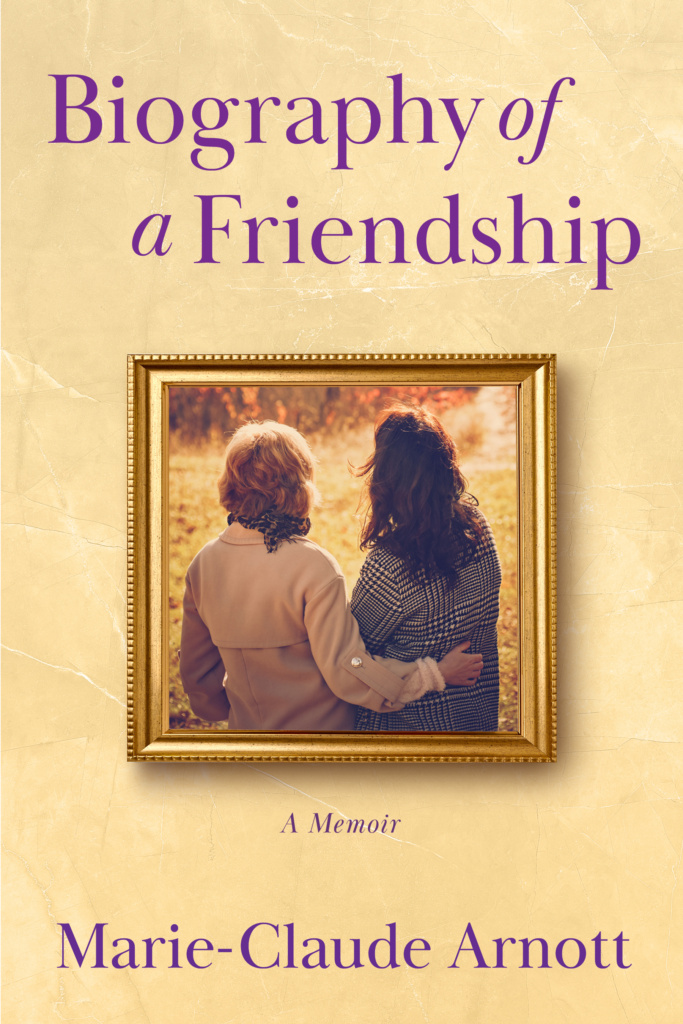
 My book, Biography of a Friendship, was a promise to my friend, who was dying. It should have been a memoir, but it started as, what I thought would be, a ‘biographical novel.’
There was a reason for that choice. Writing a novel would give me more freedom. I could use my true story and weave in fictional elements. I could invent people and places and add suspense with fictional scenes and dialogues. What’s more, it wouldn’t be deemed a ‘personal story.’
But I couldn’t start writing at first; I had just lost my friend, and it was too hard. Then, eight months later, I stumbled on the NaNoWriMo challenge and dived in. The result was a very disjointed draft. I felt so lost that I put the manuscript away.
Then a coincidence led me to a memoirist. I told her about my ‘biographical novel’ and how nothing about it felt right. She convinced me it was NOT a biographical novel because it was MY story. I finally understood why it didn’t feel right; I was letting someone else speak for me.
The story needed to be told in the first person.
Now I had to face all the reasons I didn’t want a memoir in the first place!
(1) It would be difficult to get it published. Except for travel memoirs, it seems only public figure’s memoirs end up in bookstores. Publishers like them because they already have a great platform. Since I wasn’t a public figure, I didn’t have such a platform.
(2) I knew that the word ‘cancer’ in a submission would raise a red flag. Two agents had taken my story under consideration, and even though the illness is only a part of the story, they both said it would take time to sell. Sadly, there are too many memoirs about cancer.
(3) Finally, writing a memoir was daunting because it must be truthful and accurate. Yet memories can only be as honest as one can remember them. And, accuracy requires a lot of fact-checking, which I spent an insane lot of time on.
However, even though I had to adjust to my new perspective, the writing process was easier than I thought. Everything fell into place naturally because I was writing ‘I’ instead of ‘she.’ I wasn’t pretending to be a fictional character anymore.
In the end, I am so grateful that my story found its genre because it gave it a credible mission.
The friendship angle would help other women, and the illness angle would help anyone who lost or is losing a loved one, especially from pancreatic cancer. More than that, Biography of a Friendship is now my friend’s legacy.
About the Author.
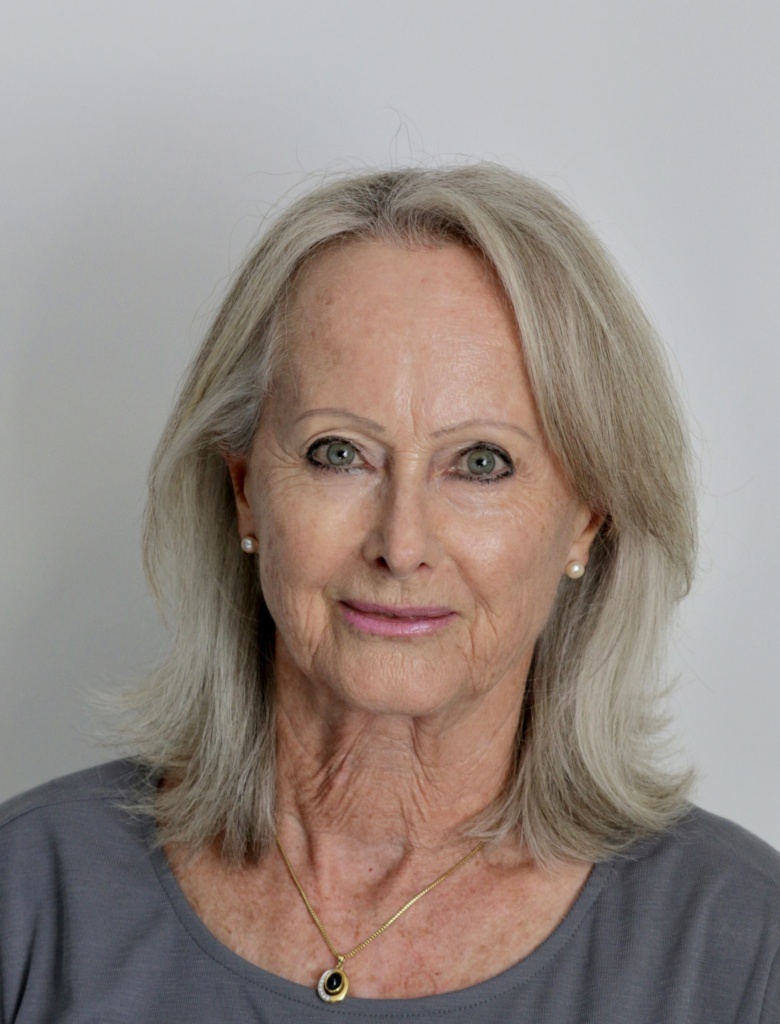 Marie-Claude Arnott is thrilled to have joined the Tule Publishing Group as the first author of its new nonfiction imprint. Her memoir Biography of a Friendship was released in March 2024.
She lives in Vancouver with her husband and regularly visits her family in France and California. As a fourteen-year-old writing expressive letters to her best friend’s father in a long-term facility, she was told she should be a writer. Instead, she studied foreign languages early on, then got a BA in International Studies and a diploma for a two-year distance learning course from the London School of Journalism, later. She wrote for a citizen journalism site, SEO-based content, travel stories for an award-winning digital magazine, and a column for a newspaper. A collection of nonfiction stories and a novel inspired by a true story are in the works. She is a member of the Federation of British Columbia Writers, the North Shore Writers’ Association, and the International Women’s Writing Guild.
Golf, gardening, the sunsets of the Northwest, the fun of fashion, and French pastries are a few of her favorite things.


By posting a comment, you consent to have your personally identifiable information collected and used in accordance with our privacy policy.