

 If you pay attention to the popular social media accounts, posts, or influencers, there is one trope that you will hear about every day and twice on Sundays. That trope is ‘Enemies to Lovers’. It is ridiculously popular, with several of the best-selling novels using this trope to attract the masses. But why is it so popular? What about this trope is so enticing and why can we not put it down?
Before we get into the specifics, let’s talk about what Enemies to Lovers is. A romance novel that utilizes this trope starts with the main two characters hating each other and ends with them desperately in love. Their hatred could be because they have conflicting goals, one of them has done something to slight the other, or because they are on opposite sides of some conflict. The reason, in itself, does not matter much, but what does is the banter, sexual tension, and cheeky nicknames that fill the rest of the book as the two realize and acknowledge their feelings have changed.
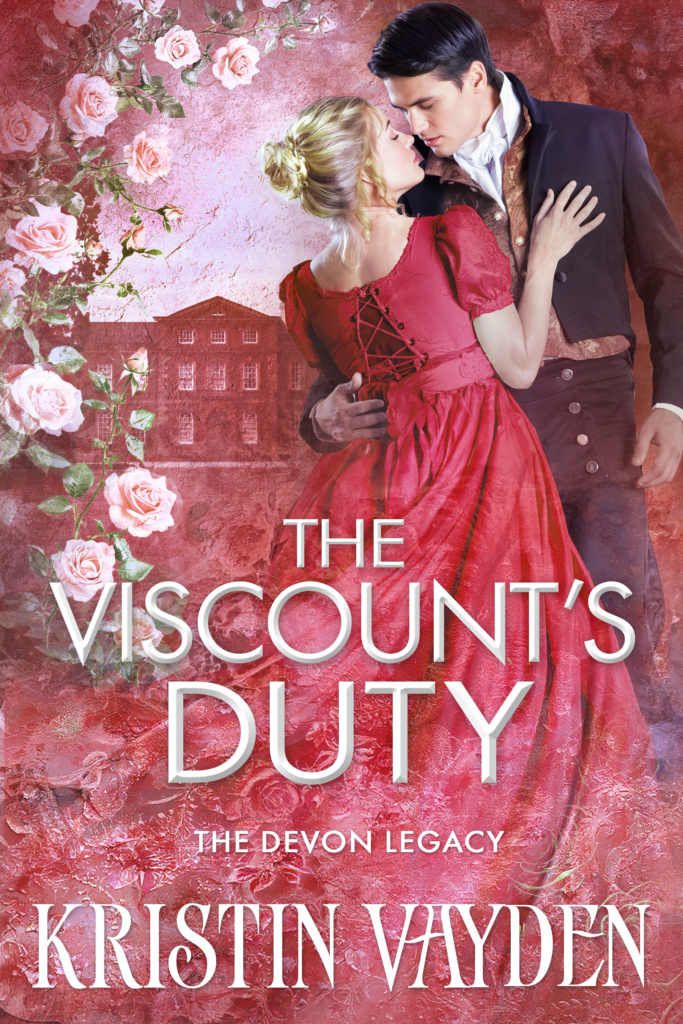
Enemies to Lovers is not a new concept. It has been in our popular culture for ages and in all different types of media. It was perfected with Mr. Darcy and Elizabeth Bennet, used to make My Fair Lady dynamic, more recently in Bridgerton’s The Viscount Who Loved Me, and even done masterfully in cartoons like Anastasia and The Swan Princess. I believe one of the reasons it is so popular is the desire to be liked.
One of the hardest lessons for us to learn is that not everyone is going to like you. There are people you are going to naturally clash with, and though this is a perfectly acceptable fact of life, many people cannot accept it. So, when faced with someone who hates you with the fire of a thousand suns, all we want to do is fix the relationship. In real life, that is not always an option. But in fiction, we have the chance for the main characters to change the relationship. We get to witness the, usually slow burning, moment when that hate crosses the line to like, lust, and eventually love. This dynamic gives us readers that dopamine hit and satisfaction that we may not get to experience in life. And we thrive on it.
Another reason I like to think it is so popular is because many of us were told, when a boy is “mean” to us, it means he likes us. So, when we are reading that male character be nasty, mean, or cruel to the main female character, it is confirming our old beliefs. He’s mean because he likes her! Sometimes, that is in fact the case, for example in Bridgerton. I think that adds a touch of nostalgia to a book that might not have had the ability to reach back into our childhoods and beg us to pay attention to the signs! They’re clear as day! He’s in love with her! It makes us think about when we experienced something similar. This brings the book into our reality and makes the characters more relatable, despite how antiquated and dangerous this idea really is.
I chose to use this trope because, to me, the thin line between love and hate, in my book lust and hate, is so fun to play with as an author. I thoroughly enjoy watching my characters poke, pick, and tease each other on superficial levels, knowing that, when needed, they’d walk through fire for the other. It has always been one of my favorite tropes and will likely remain one for the rest of my reading days.
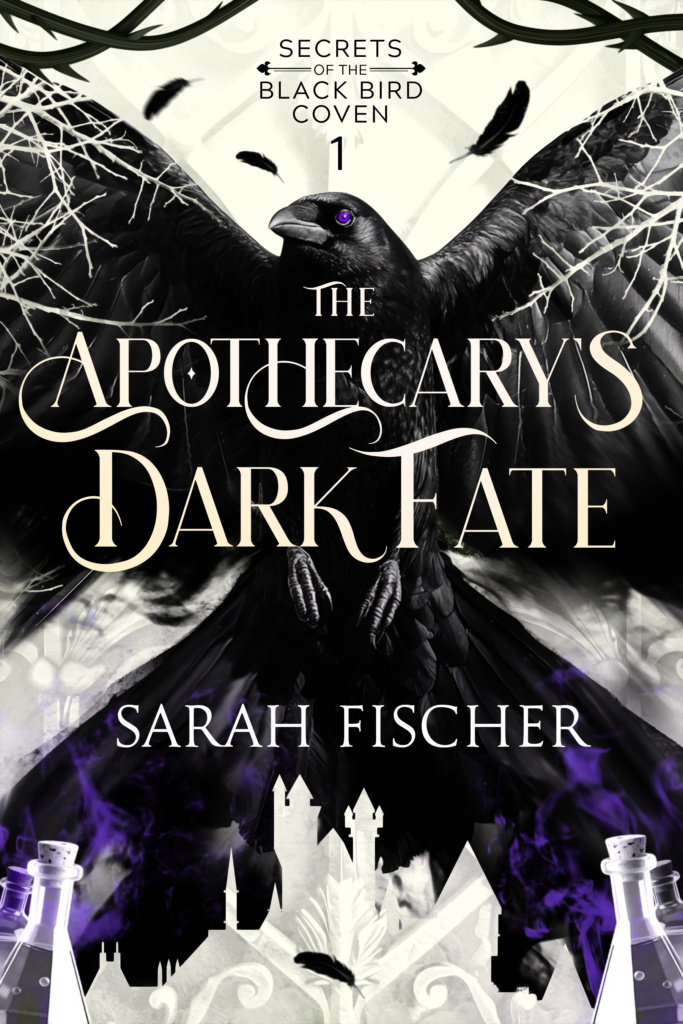
In The Apothecary’s Dark Fate, my characters have conflicting goals. Brooklynne Belle’s little sister is missing and it is detective Drake Romeo’s job to find her. While, on the surface, this seems quite easy. They should agree and get along wonderfully. But where is the fun in that? The way they try to find Melanie Belle is what puts them at odds. Brooklynne runs into the situation like a bull in a china shop, ready to burn down the world until the bush hiding Melanie shrivels to ash. Drake wants to work with finesse, charm, and his years of experience as an investigator. Her methods directly conflict with his plan and his plan does not appear to move fast enough for.
Conflicting odds was not enough for me though. I wanted to layer on a more complex motive for the two love birds. They are each hiding secrets from the other, secrets that are emotional, destructive, and critical to the case. And the other can sense that honesty is not currently on the table. This, of course, makes them hold their own cards closer to their chest. This inherent distrust creates the deep rooted “enemies” aspect of their relationship. His abs, her eyes, and their blatant sexual chemistry, though, all makes it miserable for them to continue hating the other.
There are many reasons why people worship this trope. It is one of the fastest ways to grab my interest in a story. And I knew there was no other trope I wanted to start my series with than this. See how the enemies break down the other’s wall in my first fantasy romance, romantasy if you will, The Apothecary’s Dark Fate.
About the Author.
 Sarah Fischer works hard fighting the good fight in personnel security. She graduated with a degree in criminal justice and married the calm to her crazy. Then Sarah had a health scare and needed heart surgery. While recovering, she finally had the time to write the stories playing out in her mind. Her college romantic suspense series, Elton Hall Chronicles, is now available in its entirety on Amazon. First Semester, Second Snowfall, and Third Wheel remind you what you loved about college, show you what you missed, and make you yearn for what could have been. Sarah also has a contemporary short story in the Craving Bad anthology. In her spare time, you’ll find her with a book in her hand, at the movies, or watching just one more episode of reality tv.
 GIVEAWAY: Because who doesn’t love FREE books?