


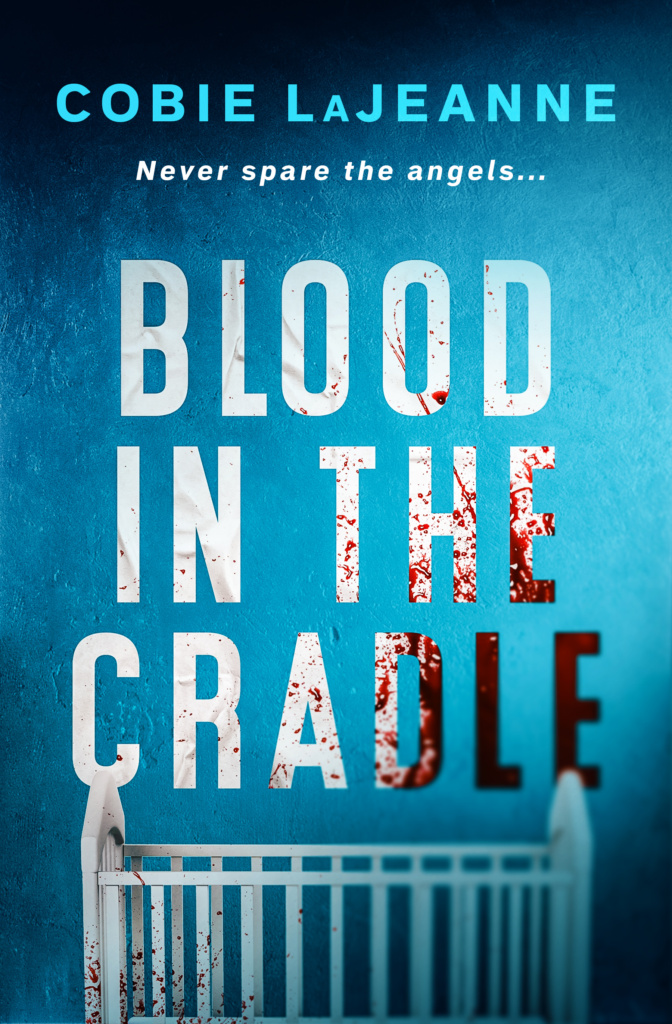
 Writing Blood in the Cradle has been cathartic to me and I am so thrilled that Detective Chloe Van Belle has found her home. When I took on the challenge of writing a character with synesthesia, I didn’t know that she would change everything for me. Chloe’s passion for everything she does, her undying need for justice, and her morbid curiosity really struck a chord with me. Draft after draft, pieces of her tough exterior started to crack, and her vulnerability started to shine through. The chapter that really took a turn for me was Lillian Finney’s autopsy scene.
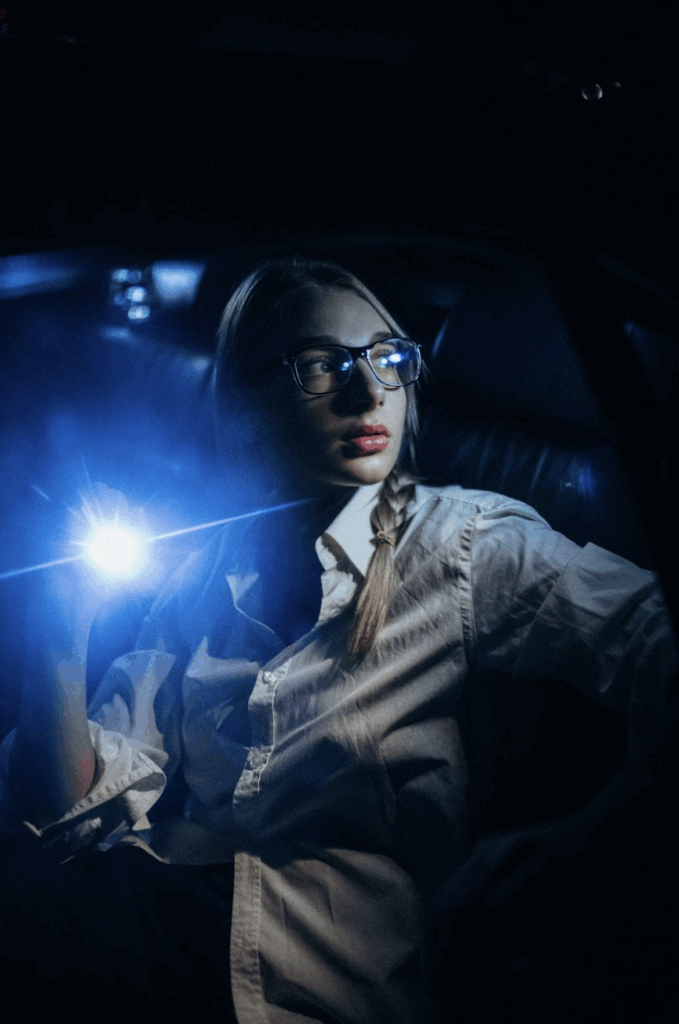
From the start, I wanted it to set the tone for the rest of the book—unsettling and difficult. I was fortunate to have the help from forensic expert, Geoff Symon, while writing this chapter, making sure all the information was accurate, and I learned a lot about autopsies.
My other goal with the chapter was to show how Chloe’s synesthesia really messed with her. It’s not a pretty scene, it’s dark and really challenging to comprehend. I’d grown tired of reading thrillers with children who passed, who were posed in a beautiful and angelic way. I wanted to portray what it was really like to lose a child in such a gruesome, senseless way, while also staying respectful to the character.
Since Chloe’s synesthesia presents itself as death tasting like cinnamon sugar, this was the perfect opportunity to really hone in on that. The scene is emotional and raw, capturing Chloe’s tangled grief and her morbid, intrusive curiosity. It sets the tone for the rest of the story: her uneasy relationship with death, the difficulty she has compartmentalizing it, and the quiet unraveling that makes her question why she ever chose this job.

I didn’t expect there to be a pit in my stomach while writing that scene—but there was. Not because of the violence or the grief, but because something in Chloe’s reaction mirrored my own. Her need to understand death, to make sense of something senseless, felt painfully familiar. I’ve always believed that fiction lets us walk the edge of things we fear, and in that moment, Chloe was walking it for me. She seems to do that in a lot of ways for me. Chloe may have started as a character on the page, but in that moment, standing beside that little girl, she became something more. And I think I did too.
By the end of the book, Chloe isn’t healed, but she’s no longer hiding from her grief, her instincts, or herself. Writing her journey gave me permission to look at the darker parts of my own curiosity and admit that sometimes, the most unsettling stories are the ones worth telling.
If there’s one thing I hope readers take away from this scene, it’s that grief and justice can coexist, and that sometimes, the people asking the hardest questions are the ones who’ve been haunted the longest.
About the Author
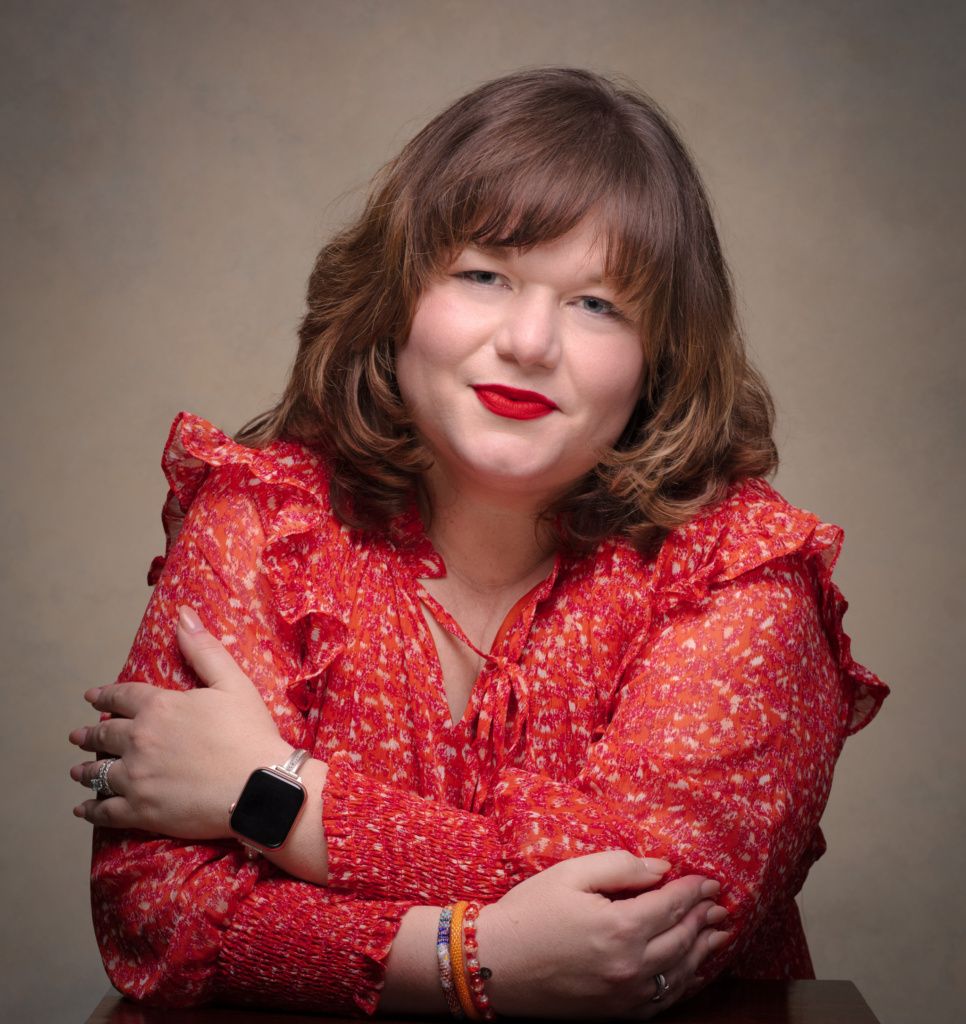
Cobie LaJeanne writes palpable psychological fiction with layered characters and storylines that will haunt you for years. As an adoptee with C-PTSD and Major Depressive Disorder, she is a strong advocate for mental health and the road toward healing. Her work is inspired by events in her life as well as true crime stories, exploring important topics such as familial generational trauma, religious/cult trauma, adoption trauma, and more.
Cobie lives in an RV full-time with her husband and two small girls, traveling the United States. When she isn’t writing, she loves to take French classes, listen to 90s and Y2K music, and experiment with makeup.
Her favorite authors include Loreth Anne White, Karin Slaughter, L.T. Vargus, Tim McBain, and Tana French.
Headshot by Jim Clark at Beaver County Photography




By posting a comment, you consent to have your personally identifiable information collected and used in accordance with our privacy policy.